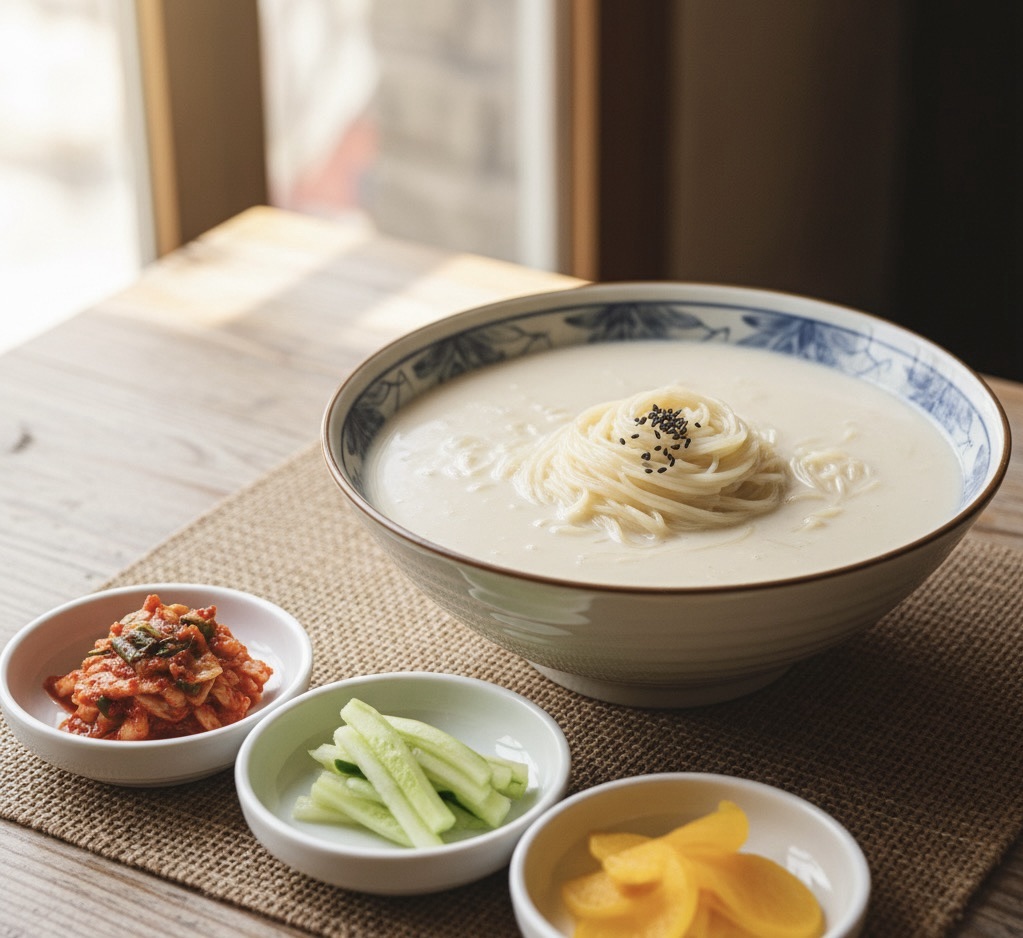
Every Korean kitchen holds secrets passed down through generations, but few are as transformative as the art of making homemade soybean broth (콩국물). This creamy, protein-rich base isn’t just an ingredient – it’s the foundation that elevates simple dishes like zucchini noodles into restaurant-quality Korean comfort food.
Why Make Your Own Korean Soybean Broth?
Store-bought versions pale in comparison to the nutty richness of homemade kongguksu broth. When you control every step, you’re not just cooking – you’re connecting with centuries of Korean culinary wisdom while creating the perfect complement to your K-Keto lifestyle.
Essential Ingredients
For 6 cups of silky broth:
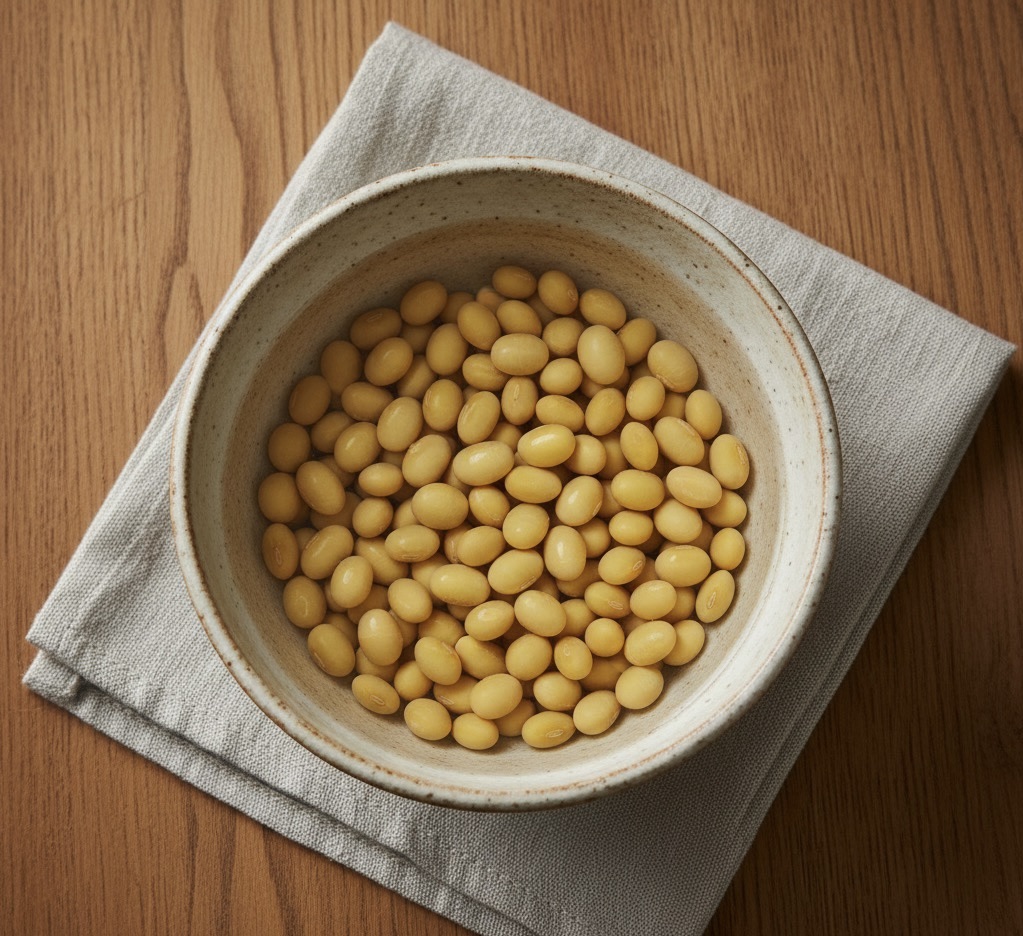
- 2 cups dried white soybeans (baektae) or black beans (seoritae)
- 6 cups filtered water
- Sea salt to taste
- Optional upgrades: pine nuts, almonds, sunflower seeds
- Creaminess booster: unsweetened soy milk (2-3 tablespoons)
The Traditional Method That Changes Everything
Step 1: The Overnight Transformation
Rinse soybeans thoroughly and soak for 6-8 hours in cool water. During hot summer months, refrigerate to prevent spoilage. This patient process is what separates amateur attempts from authentic Korean flavors.
Step 2: The Peeling Secret (Game-Changer)
Bring soaked beans to a gentle boil for 5 minutes, then shock in cold water. Rub between your palms to release the skins. This extra step creates the silkiest, most refined broth texture – the difference between good and extraordinary.
Time-pressed? Skip the peeling, but know you’re missing the true magic.
Step 3: The Gentle Simmer
Cook peeled beans in fresh water for exactly 15 minutes. Overcooking introduces bitter, fishy notes that destroy the delicate sweetness Korean cooks prize.
Step 4: The Blending Ritual
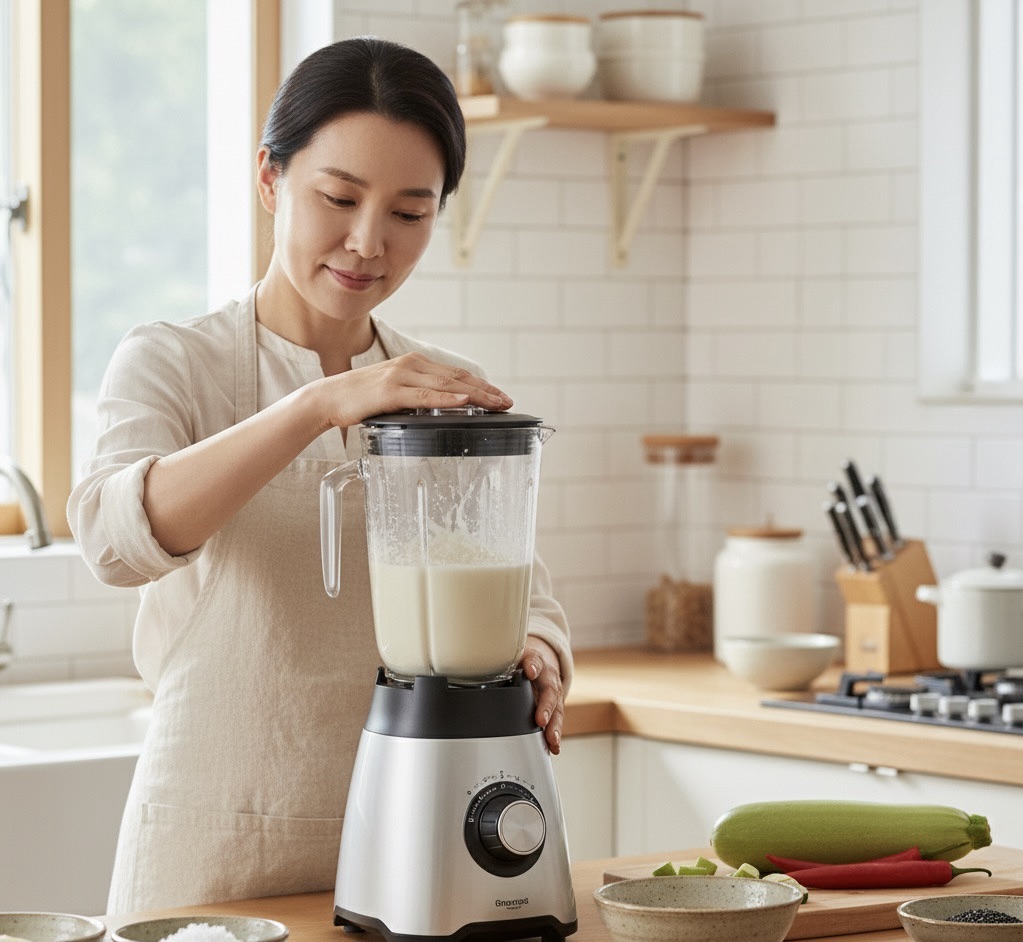
Transfer warm beans to a high-speed blender with cooking liquid plus cold water. Here’s where creativity enters: add a handful of pine nuts or almonds for deeper nuttiness that makes your broth unforgettable.
Step 5: Seasoning Wisdom
Salt lightly – the goal is enhancement, not dominance. Korean soybean broth should taste like concentrated summer sunshine, not the ocean.
Step 6: The Chill Factor
Refrigerate completely before serving. Korean soybean broth reveals its true character only when properly chilled – this isn’t negotiable.
Pro Tips from Korean Grandmothers
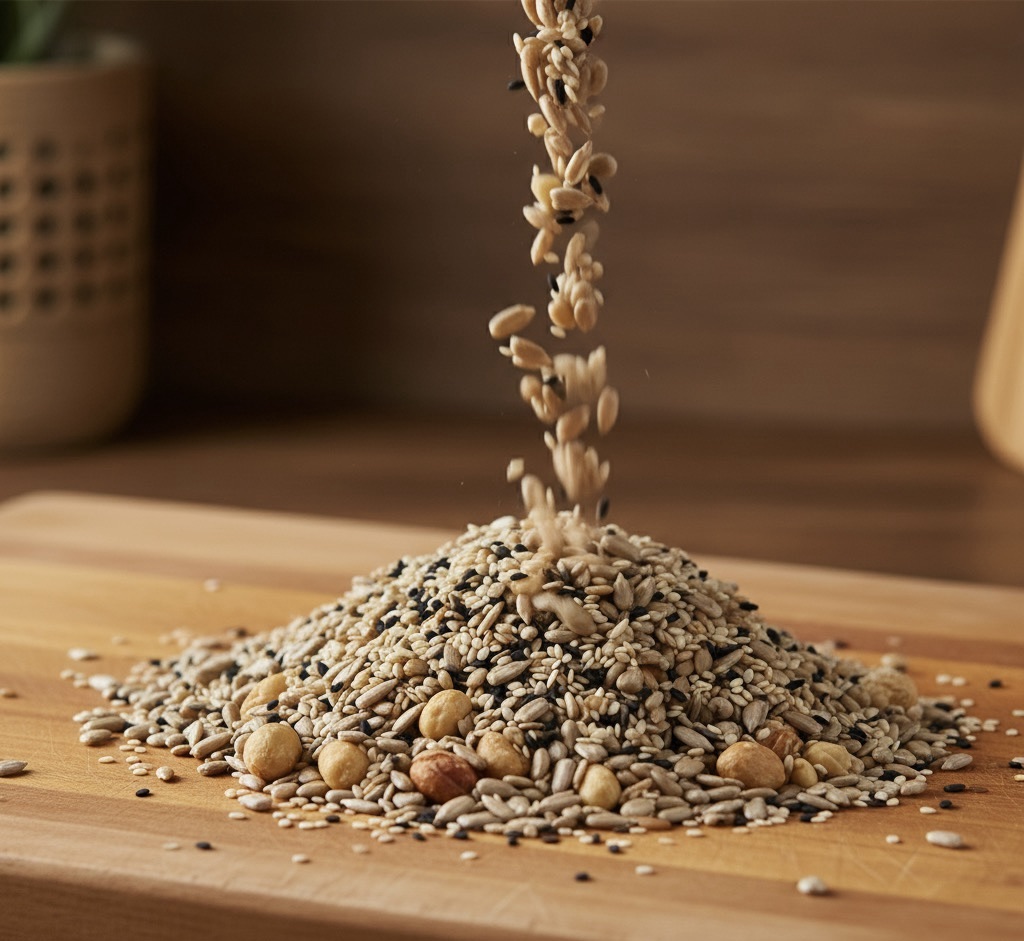
For ultimate richness: Toast a tablespoon of sesame seeds and blend them in – the aromatic oils create restaurant-level depth.
For silky smoothness: Replace some water with unsweetened soy milk during blending. This modern touch maintains authenticity while boosting creaminess.
For K-Keto perfection: Resist adding sugar or honey. The natural sweetness of properly prepared soybeans needs no enhancement.
Storage and Usage
Fresh soybean broth keeps refrigerated for 3-4 days. The flavors actually improve overnight as they meld together. Use as the base for zucchini noodles, traditional kongguksu, or as a protein-rich drink.
Beyond the Bowl
This isn’t just about one recipe – it’s about mastering a fundamental technique that opens doors to countless Korean dishes. Once you’ve tasted homemade soybean broth, you’ll understand why Korean home cooks guard their methods so carefully.
The creamy richness, the subtle nuttiness, the way it transforms simple vegetables into something extraordinary – this is Korean cooking at its most essential. And when paired with fresh zucchini noodles on a sweltering summer day, it becomes pure magic in a bowl.
Your journey into authentic Korean flavors starts here, with soybeans, water, and the patience to do things right.


